


In the U.S., due to continued limitations on research into the potential benefits of cannabis, we have little data on whether it can help with Alzheimer’s disease and other dementias. But in Israel, such limitations do not exist. In January, 2022, the Ministry of Health approved the use of cannabis to treat dementia and Alzheimer’s in the adult population. A study led by Dr. Hermosh of the Geriatric Division at Laniado Hospital, Israel, was published, and has provided evidence that controlled medical cannabis treatment for dementia and Alzheimer’s patients is relatively safe and effective for treating behavioral disorders in patients with dementia/Alzheimer’s.
For us at AgingParents.com, where we regularly hear the woes of those caring for aging loved ones with dementia, this is very welcome news. Currently, cannabis is a Schedule 1 drug, meaning it is controlled substance under the Federal government’s regulation. Doctors can’t prescribe it, no insurance covers it and it doesn’t matter if state laws make it perfectly legal to use it for medicinal or even recreational use. It’s still illegal under Federal law. The conflict between our Federal government and State law remains unresolved. For those living in states where cannabis is legal at least for medicinal use, there are tremendous possible benefits for aging loved ones with dementia.
Difficult Behaviors
No one can predict the behavioral changes a person with Alzheimer’s disease or other dementia will exhibit. We do know that some impaired elders become agitated, combative, angry, and even violent. It makes it excruciatingly difficult for those who love them to care for them. When these sometimes difficult, impaired elders are placed in memory care or assisted living homes, they can become an unmanageable care problem. Some residents are asked to leave, because staff believe that the elder is an unnecessary risk to its caregivers and other residents. For the rest, the solution is to give the disruptive residents antipsychotic drugs. That is the only currently working, accepted way to treat the agitated behavior. And those drugs often cause drowsiness, which is easier on the staff than combative behavior. But is it the only way? Are the only choices to leave them agitated or have them sleeping most of the day?
Medical Supervision of Cannabis Use
Cannabis is a potential better option to address these behavior issues. Israeli researchers found that it must be tailored to each patient, and that medical supervision and follow up were essential to success. However it is compelling that they found in their controlled, double blind study that it is indeed safe and effective. Their success was not limited to “early stage” dementia. Rather, it is generally approved for use in adults without any conclusions as to lack of efficacy based on what stage of dementia the person may be in at any given point.
How Can You Know What Will Work Here?
As one who personally advocates for plant-based medicine, I often look for research demonstrating cannabis efficacy for elders with dementia. The Israeli study did not specify dosages nor proportions of THC (the psychoactive part of the plant) to CBD (the non-psychoactive part). We had not seen any data clarifying this question until a recent CNN program (The Whole Story, August 7, 2023). That program explored the general use of cannabis in older adults with pain, anxiety, mood issues and other matters, including dementia. In that program the Israeli doctors using cannabis were interviewed. A dosage range of one part THC to 30 parts CBD was discussed. That made sense. The larger proportion was for the relaxing, anti-inflammatory CBD with a small portion of THC, not enough to get a person high.
Our Own Observations
At AgingParents.com, we have discussed the use of medical cannabis with many clients over the last few years. It is legal in CA and in some states where our clients, usually the adult children, live and care for their loved ones. The families most interested in trying cannabis for their loved ones with problematic behavior are those who don’t like the effect of antipsychotic medication on their elders. Doctors will already have prescribed such drugs, the elder took them, and the families tell us their aging parent is woozy all day or sleeps day and night. To them, the aging parent deserves a better quality of life. They try cannabis without medical supervision, as physicians can’t give supervision for a medicine the Feds say is illegal.
The Informal Feedback On Effectiveness
For all but one of our clients reporting on the use of cannabis with demented aging parents over the last two years, there have been favorable results. This is definitely not research. Rather, we simply communicate their reported anecdotal results. They start with an edible form with the aging parent, not smoking. (We strongly discourage smoking anything, due to the harmful effects on the lungs). They try pure CBD (non psychoactive) first. If that does not help decrease agitation, they add a small proportion of THC to the mix. This may mean a lot of trips back and forth to the dispensary and a lot of dollars spent on trial and error. But, they finally figure out the right mix of these plant components and they give it to the aging loved one twice a day. What they tell us is that Mom is no longer hitting the caregivers or Dad is not yelling and getting angry and belligerent so much. Maybe they have found a safe and effective use, as described in the Israeli study.
How Can We Get Reliable Medical Guidance On Cannabis?
Most doctors steer clear of discussions on cannabis either because of fear of government reprisals, lack of information on the topic, or being in a state where no medical use of cannabis is allowed. There are exceptions. In California, a group of physicians and other clinicians formed a nonprofit scientific and educational organization in 2009 . The Society of Cannabis Practitioners is dedicated to the education and research support of the medical use of cannabis. This is a resource to offer practitioners and the public informational courses, and studies. The intention is to offer, science- based, trustworthy information on cannabis use as medicine.
The Takeaways
The difficult behaviors associated with dementia become a huge burden for their caregivers. The most common choice of how to manage it now under Federal law in the U.S. is to use antipsychotic medication, with all attendant side effects. That is fine for some who accept the risks. For others, there is an alternative—medical cannabis. Things to consider:
- Do not expect medical supervision from the usual treating physician on the use of cannabis as medicine. Their hands are tied. You will usually need to experiment on your own with such things as dosage, proportion and frequency. Cannabis clinicians may help.
- There are no reports of anyone dying of a cannabis overdose. There are plenty of reports demonstrating the increased risk of death with the use of antipsychotics and other drugs.
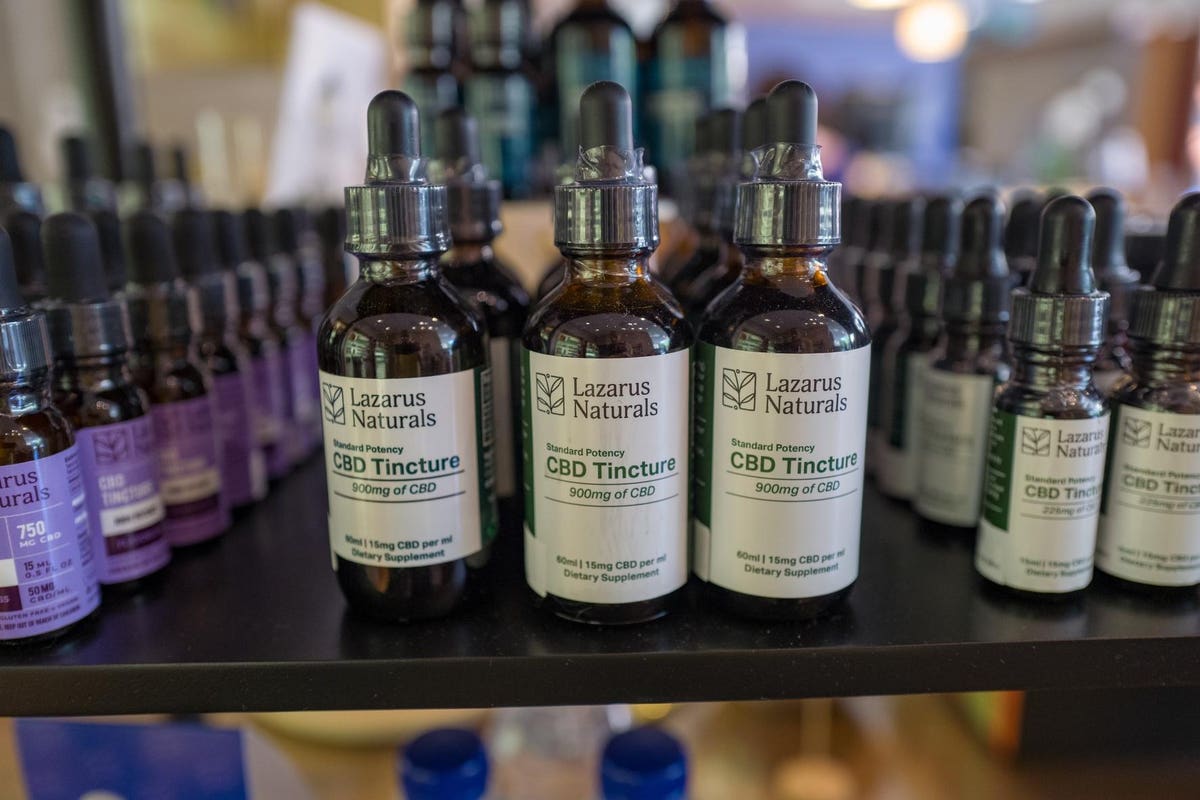
- Many options exist for edibles that an elder can take: tinctures, gummies, cookies, etc. Know the exact proportion of CBD to THC in anything you choose. Smoking is not our recommendation.
- It is important to understand that cannabis can interact with other medications the elder may be taking. You do not want to create a danger for your loved one. The question of what potential medication interactions can exist must be discussed with a treating physician. The doctor can’t give you advice about cannabis but can give you a lot of information about other medicines. Unfortunately, we are not like Israel which offers close medical supervision of cannabis in context with all medications a patient gets and can adjust accordingly.
- If you choose to use cannabis for your elder in a state where it is legal, go to the research study. Learn all you can from the leading country to approve cannabis for older adults. If you choose to give cannabis a try with your aging loved one, do so in a thought-out reasoned way, and be ready to adjust in any regimen you develop.
Read the full article here