


• Home
  • News
  • Personal Finance
    • Savings
    • Banking
    • Mortgage
    • Retirement
    • Taxes
    • Wealth
  • Make Money
  • Budgeting
  • Burrow
  • Investing
  • Credit Cards
  • Loans

Subscribe to Updates

Get the latest finance news and updates directly to your inbox.

Top News

The 10 Golden Rules for Organizing and Decluttering Your Home

January 27, 2026

I’ve Been Investing for 45 Years: 5 Dumb Mistakes Nearly Every Investor Makes

January 27, 2026

How to Keep Your Business Thriving When the Market Changes and Disruption Strikes

January 27, 2026
Facebook Twitter Instagram
Trending
  • The 10 Golden Rules for Organizing and Decluttering Your Home
  • I’ve Been Investing for 45 Years: 5 Dumb Mistakes Nearly Every Investor Makes
  • How to Keep Your Business Thriving When the Market Changes and Disruption Strikes
  • 53 Side Hustle Ideas to Make Extra Money in 2026
  • After 20 Years in Business, I Can Tell You the Two Forces That Make or Break a Company
  • The Mentor I Didn’t Know I Needed at 60 — And Why Every Leader Needs One
  • 8 Cars That Make Driving Easier (and Safer) for Retirees
  • Workers Brace for Uncertainty, Prioritize Stability in 2026
Tuesday, January 27
Facebook Twitter Instagram
iSafeSpend
Subscribe For Alerts
  • Home
  • News
  • Personal Finance
    • Savings
    • Banking
    • Mortgage
    • Retirement
    • Taxes
    • Wealth
  • Make Money
  • Budgeting
  • Burrow
  • Investing
  • Credit Cards
  • Loans
iSafeSpend
Home » Investing For Grownups: Why Asset Allocation Matters
Wealth

Investing For Grownups: Why Asset Allocation Matters

News RoomBy News RoomAugust 15, 20230 Views0
Facebook Twitter Pinterest LinkedIn WhatsApp Reddit Email Tumblr Telegram

Where you invest is important, but the amount you invest in each type of investment is also significant. Advisors traditionally recommend a 60/40 investment portfolio. This means that 60% of investments are in stocks and 40% in bonds, or 60% is at higher risk than the other 40%. However, history tells us that this traditional model of investing in stocks and bonds is not as effective as the model that endowments (think Harvard and Yale) use. Over the last 30 years, the average return in the US for someone using the 60/40 model is 8.2%, not bad. But, the Endowment Model Yale earned 13.1% over the same 30 years.

Endowments Like Harvard and Yale

Endowments typically have a large exposure to alternative asset classes. Large endowments usually have most of the portfolio invested outside of public securities (stocks). They don’t need the liquidity and can tie up their money for longer periods of time. Why? The public market does not have as many options as you might think. There are 5,866 individual stocks, with only a subset being the type that most mutual funds/ETFs and investors actually invest in. In the 1990s, that number was around 8,000 companies, hitting a low in 2016 with only 3,500 companies. To put things in perspective, the combinations of mutual funds at any national fund companies are larger than the actual stocks those funds invest in.

Endowments have consistently achieved attractive annual returns with moderate risk. Individuals can do the same by utilizing alternative investments. By using alternative investments, individuals can expose some of their portfolios to similar (and sometimes identical) asset classes as large endowments. In addition, for the part of the portfolio invested in the public stock market, there are now investments that hedge against downside risk instead of holding and hoping the stock increases in value. Most endowments protect the downside of their public equity exposure, and there are investments now on the market that do similar protection for individual investors.

Challenges Associated With Investing Like Endowments

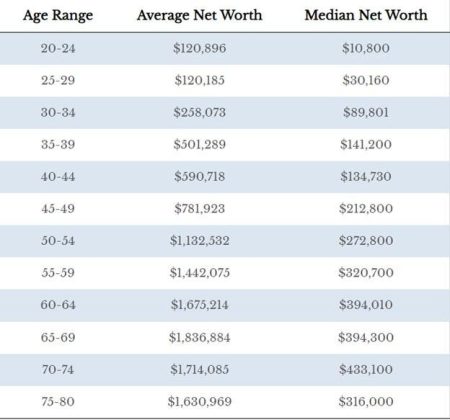
Unfortunately, there are sad truths for investors trying to invest like an endowment would. For the more complicated and most similar to endowments, the investor needs to choose an alternative investment for accredited investors only. To be accredited, investors need $1M of net worth, not counting their home, or $300K of income if married. For many investors, the accreditation is not the hard part; it’s finding the investments. All accredited investments are restricted from advertising, and the entire industry is regulated to not push these products on anyone that is not already a client of a firm that offers these.

Performance

What does adding alternatives to your investment portfolio do to your performance? Over the last 20 years, the top-performing endowments have included more alternative investments. Unfortunately, people aren’t endowments. Even if you qualify as an accredited investor and work with a firm that provides access to these types of investments, you are typically restricted to no more than 10% in these and no more than 25% total invested in these. The rules are to protect investors due to the illiquidity of these investments. Endowments do not have these restrictions. But, increasing the percentage of alternatives in your portfolio is correlated with an increase in return for the same or lower risk. If you qualify as an accredited investor, open your mind (and your 60/40 portfolio) to allocations of alternative investments and be more like an endowment.

Securities offered through Arkadios Capital, LLC (Member FINRA and SIPC).

Past performance does not guarantee or is indicative of future results. This summary of statistics, price, and quotes has been obtained from sources believed to be reliable but is not necessarily complete and cannot be guaranteed. All securities may lose value, may not be insured by any federal agency and are subject to availability and price changes. Market risk is a consideration if sold prior to maturity. Information and opinions herein are for general informational use only and subject to change without notice.

Read the full article here

Share. Facebook Twitter Pinterest LinkedIn Tumblr Email

Related Articles

Expecting Expenses To Decline In Retirement? They May Rise

Wealth November 30, 2023

Comparing Job Offers: Going Beyond Base Salary

Wealth November 28, 2023

Where Do You Stand? Compare Your Net Worth To The National Average

Wealth November 23, 2023

Investment Lessons From Your Thanksgiving Turkey

Wealth November 22, 2023

FinCEN’s New FAQ On Reporting Beneficial Owner Information

Wealth November 20, 2023

Meta, Alphabet, Disney: 3 Top Holdings Of This ETF Hitting New Highs

Wealth November 20, 2023
Add A Comment

Leave A Reply Cancel Reply

Demo
Top News

I’ve Been Investing for 45 Years: 5 Dumb Mistakes Nearly Every Investor Makes

January 27, 20260 Views

How to Keep Your Business Thriving When the Market Changes and Disruption Strikes

January 27, 20260 Views

53 Side Hustle Ideas to Make Extra Money in 2026

January 27, 20260 Views

After 20 Years in Business, I Can Tell You the Two Forces That Make or Break a Company

January 27, 20260 Views
Don't Miss

The Mentor I Didn’t Know I Needed at 60 — And Why Every Leader Needs One

By News RoomJanuary 27, 2026

Entrepreneur Key Takeaways Why you still need mentorship later in life. There’s a quiet myth…

8 Cars That Make Driving Easier (and Safer) for Retirees

January 26, 2026

Workers Brace for Uncertainty, Prioritize Stability in 2026

January 26, 2026

Winter Savings Very Few People Use, But Everyone Qualifies For

January 26, 2026
About Us

Your number 1 source for the latest finance, making money, saving money and budgeting. follow us now to get the news that matters to you.

We're accepting new partnerships right now.

Email Us: [email protected]

Our Picks

The 10 Golden Rules for Organizing and Decluttering Your Home

January 27, 2026

I’ve Been Investing for 45 Years: 5 Dumb Mistakes Nearly Every Investor Makes

January 27, 2026

How to Keep Your Business Thriving When the Market Changes and Disruption Strikes

January 27, 2026
Most Popular

2025 Year-End Financial Checklist for Wealthy Investors

December 9, 20251 Views

How This Water Filtration System Became An 8-Figure Business

December 2, 20251 Views

Workers Reconsider Career Priorities Amid Looming Layoffs, Rising Costs

December 2, 20251 Views
Facebook Twitter Instagram Pinterest Dribbble
  • Privacy Policy
  • Terms of use
  • Press Release
  • Advertise
  • Contact
© 2026 iSafeSpend. All Rights Reserved.

Type above and press Enter to search. Press Esc to cancel.