
• Home
  • News
  • Personal Finance
    • Savings
    • Banking
    • Mortgage
    • Retirement
    • Taxes
    • Wealth
  • Make Money
  • Budgeting
  • Burrow
  • Investing
  • Credit Cards
  • Loans

Subscribe to Updates

Get the latest finance news and updates directly to your inbox.

Top News

The “Bomb Cyclone” Recovery Guide: What Insurance Covers (and What It Doesn’t)

February 2, 2026

15 Soft Skills That Are Your Most Valuable Asset in the Workplace (and How to Show Them Off)

February 2, 2026

Why Entrepreneurs Are Choosing StackSkills Unlimited at $19.97

February 2, 2026
Facebook Twitter Instagram
Trending
  • The “Bomb Cyclone” Recovery Guide: What Insurance Covers (and What It Doesn’t)
  • 15 Soft Skills That Are Your Most Valuable Asset in the Workplace (and How to Show Them Off)
  • Why Entrepreneurs Are Choosing StackSkills Unlimited at $19.97
  • How This Writing Practice Transformed My Direction in Life
  • Mark Cuban Wishes He Invested in This Company Earlier
  • You Don’t Need Better AI—You Need Better Prompts
  • This Common Drink Can Fight Disease and Slow Aging — but Only If You Drink It Right
  • Why Women Workers Are Facing the Biggest AI Risk — and What They Should Do Now
Tuesday, February 3
Facebook Twitter Instagram
iSafeSpend
Subscribe For Alerts
  • Home
  • News
  • Personal Finance
    • Savings
    • Banking
    • Mortgage
    • Retirement
    • Taxes
    • Wealth
  • Make Money
  • Budgeting
  • Burrow
  • Investing
  • Credit Cards
  • Loans
iSafeSpend
Home » ‘Really bad economics’: Nobel laureate Joseph Stiglitz explains where the Fed went wrong on inflation
News

‘Really bad economics’: Nobel laureate Joseph Stiglitz explains where the Fed went wrong on inflation

News RoomBy News RoomSeptember 1, 20230 Views0
Facebook Twitter Pinterest LinkedIn WhatsApp Reddit Email Tumblr Telegram

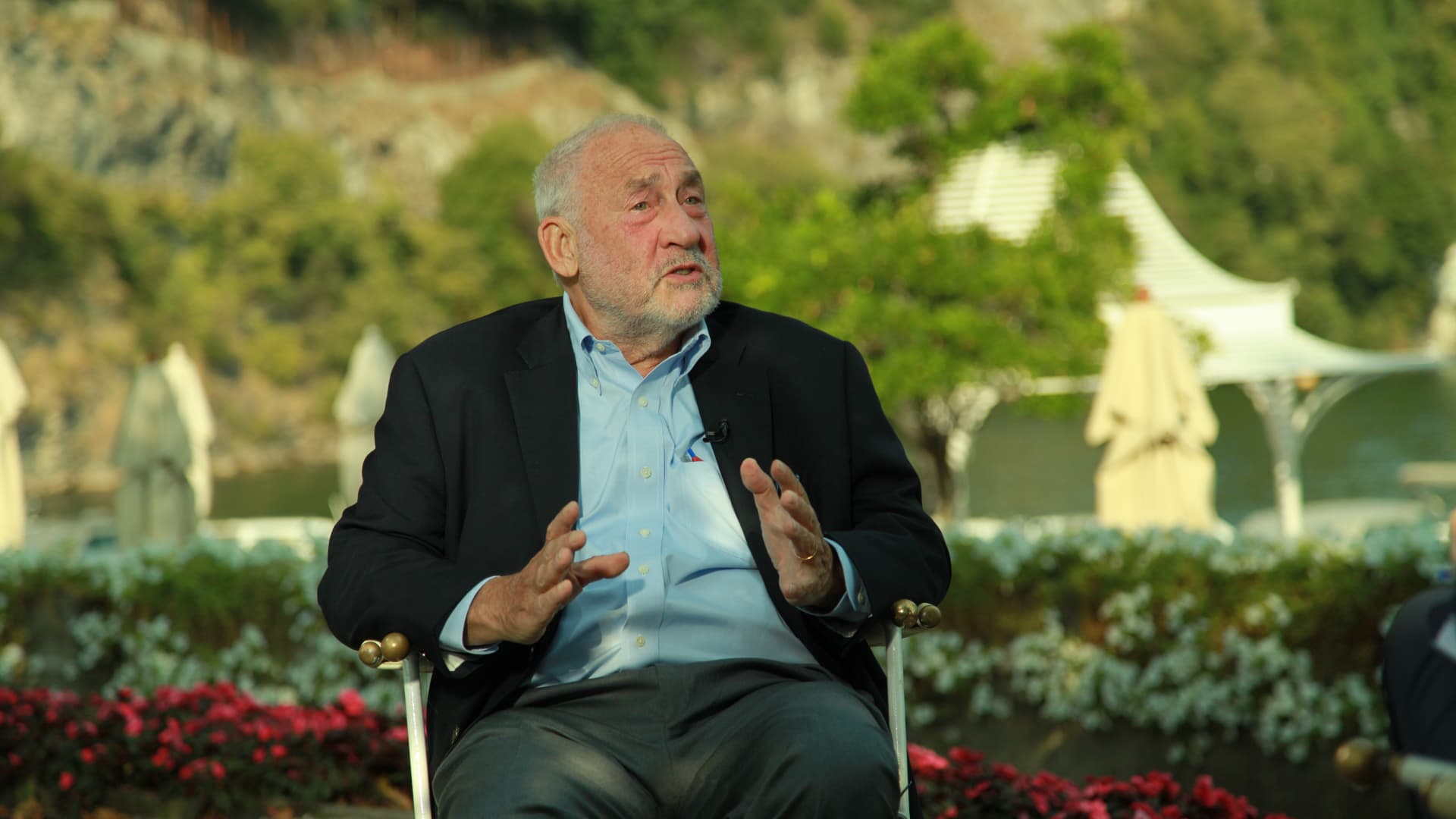
The Federal Reserve “didn’t do their homework” and mischaracterized the spike in inflation that has plagued the U.S. economy over the last two years, according to Nobel Prize-winning economist Joseph Stiglitz.

U.S. inflation started to gain pace in early 2021 as the economy emerged from the Covid-19 pandemic, rising from an annual 1.2% in December 2020 to a 40-year high of 9.1% in June 2022.

The Fed didn’t start hiking rates until March 2022 and Chair Jerome Powell repeatedly insisted that inflation was “transitory,” indicating that it could be easily tamed.

“The Fed thought the source of the inflation that began in the post-pandemic era was excess demand, and you could understand why they may have thought that if they didn’t do their homework,” Stiglitz told CNBC’s Steve Sedgwick on the sidelines of the Ambrosetti Forum on Thursday night.

Instead, Stiglitz said that the price rises were often driven by other factors, such as a shortage of key components like semiconductor chips.

In an effort to drag inflation back down towards its 2% target, the Fed has now hiked interest rates 11 times in total to a target range of 5.25%-5.5%, the highest level for more than 22 years.

Considerable progress has been made, with the 12-month headline consumer price index reading falling to just 3.2% on the year in July, and multiple data points suggesting that inflationary pressures have eased considerably.

‘Bad economics’

Although he does not see the aggressive monetary policy tightening of the last 18 months tipping the U.S. economy into recession, Stiglitz suggested there are lessons to be learned from the Fed’s assessment of inflationary dynamics.

“It’s really bad economics, because [the Fed] saw that the government had passed this enormous recovery program, and if all that money had been spent, it would have been inflationary, but you have to remember back just a few years ago, there was an enormous amount of uncertainty.”

This uncertainty meant that firms were not investing as they ordinarily would have, while consumers did not feel comfortable deploying the pent-up savings accrued during the pandemic — meaning total, or aggregate, demand was still below pre-pandemic forecasts, Stiglitz said.

“Why was there inflation? We all know the reason,” he added. “Car prices in the beginning went way up — why? Was it because we didn’t know how to make cars? No, we knew how to make cars. American auto companies forgot to put in orders for chips, and for want of a chip, you can’t make a car.”

A lucky policy mistake?

Despite the Fed’s rapid raising of interest rates, the U.S. economy has held up surprisingly well, though economists are still divided over whether the tightening of financial conditions will bring about a recession.

Stiglitz suggested that the economic soft landing the Fed has tried to engineer may well come to fruition, but as the result of another lucky policy “mistake,” this time from the government in the form of the Inflation Reduction Act.

The IRA, the Biden administration’s landmark legislation targeting manufacturing, infrastructure and climate change, was launched just over a year ago and has spurred more than $500 billion in new investment, according to the Treasury.

“When they passed that Act, they thought there’d be some companies taking advantage of it and it would cost over 10 years $271 billion. Now the estimates by many sources is well over a trillion dollars,” Stiglitz noted.

“That’s a big stimulus to the economy that’s going to be offsetting the contractionary effects of monetary policy, so we may manage our way through this by luck. The Fed had no idea of the effect of the IRA.”

Read the full article here
Share. Facebook Twitter Pinterest LinkedIn Tumblr Email

Related Articles

RSS Feed Generator, Create RSS feeds from URL

News October 25, 2024

X CEO Linda Yaccarino addresses Musk’s ‘go f—- yourself’ comment to advertisers

News November 30, 2023

67-year-old who left the U.S. for Mexico: I’m happily retired—but I ‘really regret’ doing these 3 things in my 20s

News November 30, 2023

U.S. GDP grew at a 5.2% rate in the third quarter, even stronger than first indicated

News November 29, 2023

Americans are ‘doom spending’ — here’s why that’s a problem

News November 29, 2023

Jim Cramer’s top 10 things to watch in the stock market Tuesday

News November 28, 2023
Add A Comment

Leave A Reply Cancel Reply

Demo
Top News

15 Soft Skills That Are Your Most Valuable Asset in the Workplace (and How to Show Them Off)

February 2, 20260 Views

Why Entrepreneurs Are Choosing StackSkills Unlimited at $19.97

February 2, 20260 Views

How This Writing Practice Transformed My Direction in Life

February 2, 20260 Views

Mark Cuban Wishes He Invested in This Company Earlier

February 2, 20260 Views
Don't Miss

You Don’t Need Better AI—You Need Better Prompts

By News RoomFebruary 2, 2026

Disclosure: Our goal is to feature products and services that we think you’ll find interesting…

This Common Drink Can Fight Disease and Slow Aging — but Only If You Drink It Right

February 1, 2026

Why Women Workers Are Facing the Biggest AI Risk — and What They Should Do Now

February 1, 2026

4 AI Tools to Help You Start a Profitable Solo Business in 2026

February 1, 2026
About Us

Your number 1 source for the latest finance, making money, saving money and budgeting. follow us now to get the news that matters to you.

We're accepting new partnerships right now.

Email Us: [email protected]

Our Picks

The “Bomb Cyclone” Recovery Guide: What Insurance Covers (and What It Doesn’t)

February 2, 2026

15 Soft Skills That Are Your Most Valuable Asset in the Workplace (and How to Show Them Off)

February 2, 2026

Why Entrepreneurs Are Choosing StackSkills Unlimited at $19.97

February 2, 2026
Most Popular

Foundations Of Health And Longevity In Retirement

December 6, 20256 Views

Spend Less and Stay Productive with This MacBook Air for Less Than $250

November 30, 20254 Views

America Has a New Favorite Mattress Brand — but There’s a Hitch to Maximizing Your Satisfaction

December 6, 20253 Views
Facebook Twitter Instagram Pinterest Dribbble
  • Privacy Policy
  • Terms of use
  • Press Release
  • Advertise
  • Contact
© 2026 iSafeSpend. All Rights Reserved.

Type above and press Enter to search. Press Esc to cancel.