



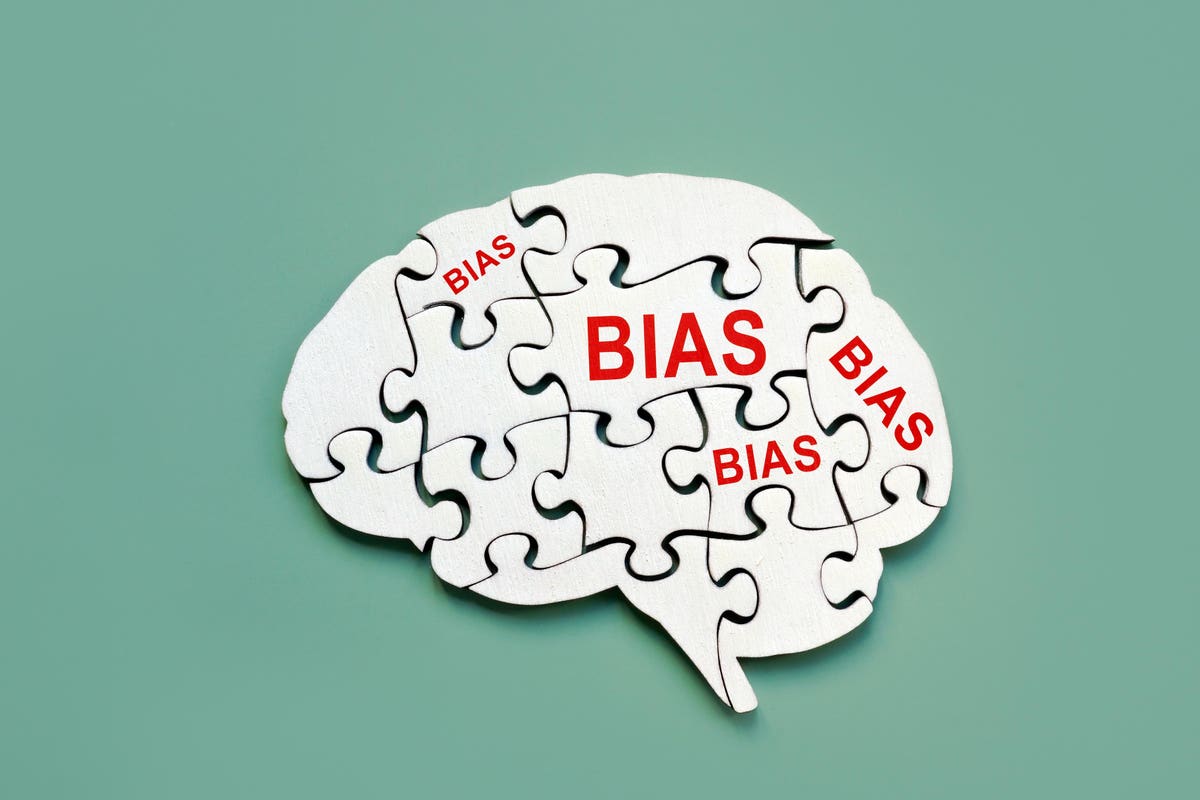
People are not always rational agents. We all make mistakes – this is what makes us human. However, for the longest time, economic theory has made assumptions about behavior in financial markets based on human behavior being rational. Because of this gap between theory and reality, Behavioral Finance, which focuses on the influence of psychology in the decision-making process of investors, has become an integral part of financial planning. This discussion will touch on the 13 cognitive errors you may be making when it comes to your finances, how they can affect your investments, and how to avoid them.
1. Illusion Of Control
With this bias, you believe you can control the outcome of an event you have no control over. World-diversified portfolios can offer diversification and potential return benefits to investors but maybe you believe you should only be investing in the United States because as a resident, you believe you have more control over how those companies do.
2. Money Illusion
You would think that money holds the same value today as any time in the past or future. It fails to factor in inflation or returns. I see this a lot when people try to come up with a “magic number” to live on in retirement, thinking that if their expenses are $100,000 today, getting an income of $100,000 per year in retirement in 20 years could support them.
3. Hindsight Bias
You tend to remember times you were correct and discount your errors. This frequently happens with investors who try to time the market. You might say, “I knew things were going bad in 2008 so luckily, I got out of the market,” neglecting to mention the years you stayed in cash and missed out on significant gains.
4. Conservatism Bias
You form a rational view based off the information you have but fail to adjust that view or integrate it with new information as it becomes available. I see this a lot with real estate investors who continue to think that massive leverage will serve them well in a high interest rate environment after 10 years of lower rates.
5. Confirmation Bias
You seek ways to validate your current beliefs, even if they are wrong. Example:
- Belief: Stocks are too risky and will always cause me to lose money.
- Confirmation of belief: You see a brief downturn amid many gains.
6. Representativeness
You draw on an experience like your current decision and assume they are about equivalent. I see this a lot when people are picturing their retirement situation and comparing what they will do to what their parents did, like, “Well, Dad never retired so I think I’ll continue to work until I croak.”
7. Mental Accounting
You tend to reserve certain money for certain purposes. For example, you might feel like you can’t pay rent because you don’t want to dip into your vacation fund.
8. Cognitive Dissonance
Your attitudes and your actions conflict so you change your attitude. I often see this in investors holding too much cash for their stated risk tolerance. When questioned about their investments being out of line with their risk profile, investors will tend to justify this with other rationales.
9. Self-Attribution Bias
You would take credit for your successes and blame external sources for failures. This is particularly common in stock-picking. You may brag of one stock that skyrocketed, while ignoring another stock you picked that went down 90%.
10. Anchoring And Adjustment
You would decide based off information that should have no impact on the outcome of your decision. It’s predicted to be a particularly rainy year, so you purchase an investment property in Arizona.
11. Outcome Bias
You make decisions based off the outcome of prior events without integrating in current information. You invest in the company of someone who sold their past company in 2019 and you think there’s a good chance they can sell their new company in 2023.
12. Framing Bias
How information is presented to you has a vast effect on how you process and respond to it. You may be more apt to act on information gently given to you by a friend at an intimate dinner party than the same information presented by an annoying but well-informed coworker at the office.
13. Recency Bias
You assign highest importance to the most recent information you receive because you can remember it best. Last year, the market was negative, so you predict that there is a high chance of another downturn soon.
How To Avoid These
It’s clear that cognitive errors can lead to serious mistakes in personal financial planning. However, it can be difficult to overcome cognitive errors because most of them are mechanisms to make us feel better or to give some semblance of order to a confusing world. First, it’s important to be aware of these biases and which ones you may be prone to. Second, consulting a financial professional or other rational sounding board about the decisions you would like to make about your financial life is a way to get an objective view and identify potential cognitive errors you may be making.
Conclusion
Money is a topic that can be a source of a lot of fear and biases. Being aware of these influences on your financial decisions and taking steps to mitigate some of the potentially harmful effects can contribute to ultimate financial security.
This informational and educational article does not offer or constitute, and should not be relied upon, as financial or investment advice. Your unique needs, goals and circumstances require the individualized attention of your own financial and other professionals whose advice and services will prevail over any information provided in this article. Equitable Advisors, LLC and its associates and affiliates do not provide tax or legal advice or services.
Cicely Jones (CA Insurance Lic. #:0K81625) offers securities through Equitable Advisors, LLC (NY, NY 212-314-4600), member FINRA, SIPC (Equitable Financial Advisors in MI & TN) and offers annuity and insurance products through Equitable Network, LLC, which conducts business in California as Equitable Network Insurance Agency of California, LLC). Financial Professionals may transact business and/or respond to inquiries only in state(s) in which they are properly qualified. Any compensation that Ms. Jones may receive for the publication of this article is earned separate from, and entirely outside of her capacities with, Equitable Advisors, LLC and Equitable Network, LLC (Equitable Network Insurance Agency of California, LLC). AGE-5917600.1(09/23)(exp.09/25)
Read the full article here