


What Is Disposable Income?
Disposable income is the amount left after subtracting taxes from your gross income. This metric is a vital indicator of your financial health.
To calculate disposable income, begin with total earnings and subtract all mandatory taxes, including income tax, Social Security, and Medicare contributions. The resulting figure represents the money available for spending, saving, or investing.
Several factors influence disposable income, including your income level, tax bracket, and cost of living. Economic conditions, policy changes, and personal financial obligations can also cause fluctuations.
The Importance Of Managing Disposable Income
Financial Stability And Security
Managing disposable income creates a safety net, supports long-term goals, and reduces the stress associated with financial uncertainty.
Having a robust financial buffer can be the difference between weathering a storm and facing insurmountable debt. With it, you are better equipped to handle unplanned expenses, from car repairs to medical emergencies, without plunging into financial chaos.
Building Wealth And Achieving Financial Goals
A well-managed disposable income allows investments in assets that appreciate over time, such as real estate, stocks, and mutual funds. Think of it as planting a tree —each saved dollar is like a seed that grows with time and attention.
Whether the goal is purchasing a new home, funding a child’s education, or setting up a business, prudent use and allocation of disposable income can bring those dreams within reach.
It offers a stepping stone, turning financial aspirations from mere wishes to tangible realities.
Flexibility For Lifestyle Choices
With adequate disposable income, individuals can make choices that enhance their quality of life. Who has not dreamed of taking time off work for traipsing around Europe, enrolling in a hobby class, or even just enjoying the occasional fancy meal without guilt?
This flexibility extends beyond mere luxuries. It can also provide options such as pursuing further education, making a career switch, or relocating to a city with a higher cost of living.
Macroeconomic Impact
Disposable income levels influence the broader economy. Higher disposable income boosts consumer confidence and spending, stimulating economic expansion.
This ripple effect can lead to increased production, job creation, and even spur innovations in various industries.
Budgeting Tips To Increase Disposable Income
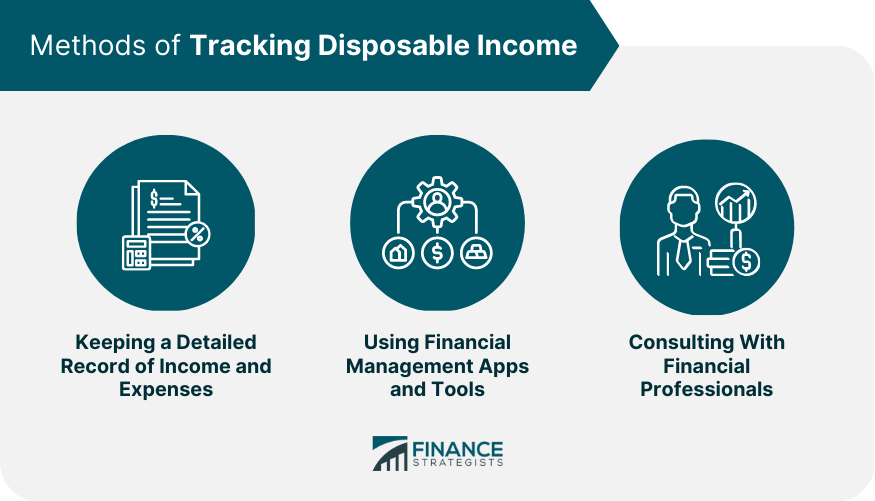
Analyze And Track Spending
Before embarking on any budgeting plan, it is essential to know where your money goes. Start by collecting receipts, bank statements, and credit card bills. You can classify your expenses into fixed and variable categories.
There are various digital tools and apps available, such as Mint or YNAB, which can simplify this process. You may also ask the help of financial professionals.
By visualizing your spending habits, you can identify patterns and opportunities for savings.
Prioritize Essential Expenses
Essential expenses are non-negotiables, such as rent or mortgage, utility bills, groceries, and health insurance. Ensure these costs are catered for first in your budget.
Regularly review these expenses to ascertain if any changes can lead to savings, such as renegotiating contracts or switching providers.
Reduce Optional Expenditures
Once essentials are covered, turn your attention to discretionary spending. This category includes items such as dining out, entertainment, and shopping sprees. While these expenses enhance your life, they can often be trimmed without drastically impacting your quality of life.
For instance, consider streaming movies at home instead of frequent trips to the cinema.
Set Realistic Savings Goals
It is important to save with a purpose. Whether you are aiming for a down payment on a house, a dream vacation, or just a rainy-day fund, having clear and realistic savings goals can motivate you to stay on track.
Break down large goals into smaller, more immediately achievable targets. These goals provide motivation, making it easier to forgo immediate gratification in favor of long-term financial gains.
Automate Savings And Bill Payments
In the age of digital banking, automation can be a game-changer for your finances. Set up online transfers from your checking account to a savings account immediately after payday.
This “pay yourself first” method ensures that a portion of your income goes straight into savings. Similarly, automated bill payments ensure you never miss a due date, avoiding late fees and penalties.
Automation simplifies financial management, reduces the temptation to divert funds to non-essential spending, and promotes financial discipline.
Adopt A Cash-Based Spending Approach
There is a psychological element to spending cash instead of swiping a card—it feels more real and makes you think twice before purchasing.
Withdraw a set amount of cash for discretionary spending each week, and once it is gone, resist the urge to withdraw more. This strategy encourages thoughtful purchases and can be instrumental in reducing impulse buying.
Additional Strategies To Augment Disposable Income
Negotiate Salary Raises Or Bonuses
Proactively seeking increased remuneration amplifies earnings. Start by evaluating your contribution to the organization. Quantify your achievements, align them with the company’s objectives, and present these in a clear, concise manner during your discussion with superiors.
It is advantageous to research and understand the standard industry compensation for your role, experience, and location. Use this data to bolster your proposal, grounding your request in tangible market trends.
Remember, timing is crucial. Approach these conversations during performance reviews or upon successful project completions.
Supplement Income With Side Hustles Or Freelancing
Side hustles or freelance opportunities can provide additional income streams, increasing disposable income and offering financial cushioning. These endeavors can also facilitate skills development and networking.
Your skills and hobbies can often be turned into profitable ventures. From writing and digital marketing to crafts and consulting, the possibilities are diverse.
Maintain balance when exploring this path. Your side hustle should complement, not hinder, your primary employment. Explore flexible options, and consider online platforms that connect freelancers with opportunities tailored to specific skills and availability.
Maximize Tax Deductions And Credits
While obligatory, taxes offer avenues to save money through deductions and credits. Every dollar saved here directly elevates your disposable income. Familiarize yourself with the various categories of deductions available —from education and health expenses to home ownership and charitable contributions.
Consider seeking the services of a tax professional. Their expertise can unveil opportunities to minimize tax liability, ensuring you retain more of your hard-earned money. Being proactive, organized, and keeping detailed records of eligible expenses can streamline this process and maximize savings.
Lower Debt Payments
Evaluate your existing debts, focusing on those with high interest rates. Consider options such as refinancing to secure lower interest rates or debt consolidation to simplify payments.
Creating a structured payment plan can also be effective —focusing on eliminating one debt at a time while making minimum payments on others. This approach, known as the avalanche or snowball method, creates a sense of accomplishment that can motivate continued debt reduction efforts.
Optimize Investment Returns
Investing wisely amplifies wealth. A well-diversified portfolio, balanced in risk and return, can provide additional income streams. Whether it is dividends from stocks, returns from bonds, or rental income from real estate, smart investment choices boost disposable income.
Financial markets are dynamic and opportunities evolve rapidly, so stay informed. Remain abreast of market trends, emerging opportunities, and economic forecasts. An informed investor is an empowered investor, capable of making decisions that optimize returns and, consequently, disposable income.
Seek Professional Advice
Even with abundant resources available, personal finance can be intricate. A financial advisor or planner can offer clarity, helping you navigate complex decisions. They bring expertise and perspective, aiding in the development of a financial strategy tailored to your goals.
Investing in professional advice can lead to better financial outcomes and peace of mind.
Conclusion
Disposable income is the money left after deducting taxes from your gross earnings. It is a crucial indicator of financial health.
Properly managing disposable income ensures financial stability and security, aids in wealth building and achieving financial goals, offers lifestyle flexibility, and has a macroeconomic impact by influencing consumer confidence and spending.
To maximize disposable income, individuals should monitor and track their spending, prioritize essential expenses, cut down on discretionary spending, set realistic savings goals, and automate their savings and bill payments.
Moreover, negotiating for better salaries, exploring side hustles, maximizing tax deductions and credits, reducing debt, optimizing investment returns, and seeking the help of a financial advisor can further augment disposable income.
Remember that managing disposable income does not mean depriving yourself. It is about finding a sweet mix of enjoyment and saving —because balancing immediate enjoyment with long-term objectives ensures financial wellness. It supports the realization of financial aspirations while allowing for present-day pleasures.
FAQs
1. Why is disposable income considered a vital financial health indicator?
Disposable income offers a clear picture of an individual’s economic strength and resilience. A higher disposable income can indicate a better ability to handle unexpected expenses, invest in assets, and make discretionary lifestyle choices without significant financial strain.
2. Why is it important to manage disposable income effectively?
Effective management of disposable income ensures financial stability, reduces the stress of financial uncertainty, and paves the way for building wealth. It also allows for investments in appreciating assets and provides the flexibility to make choices that can improve overall quality of life.
3. How is disposable income different from discretionary income?
While both relate to personal finance, they serve different purposes. Disposable income is gross income minus mandatory taxes or deductions. Discretionary income, however, is disposable income minus essential living expenses (e.g., rent, utilities, and groceries). Discretionary income represents the funds available for non-essential expenditures and savings.
4. Are there tools available to help manage and track disposable income?
Yes, there are numerous digital tools and apps, such as Mint or YNAB, designed to help individuals visualize and manage their finances. By tracking spending habits with these tools, one can identify patterns and find opportunities to save and increase their disposable income.
5. How does the cost of living affect disposable income?
The cost of living represents the average cost of necessary expenses in a particular area, such as housing, food, and transportation. A higher cost of living can eat into disposable income, as more money is spent on essentials, leaving less for discretionary spending or saving.
Read the full article here