



The Second Look Amendment Act (SLAA) went into effect on April 27, 2021, which was an update to the Incarceration Reduction Amendment Act (IRAA). Previously, IRAA provided the possibility of a reduced sentence to people who were under 18 at the time they committed a crime after the person had served at least 15 years in prison. The SLAA expanded eligibility to people who were under 25 at the time of the crime and who have served at least 15 years of their sentence to ask the court for a reduced sentence.
Many of these prisoners were imprisoned for murder, usually gang related or hardened criminal youth groups who roamed the streets of greater Washington DC. According to Ward 6 Councilmember Charles Allen, “This is about understanding how people, especially young people, can change as they grow into adulthood. The men who have come home already are doing remarkably well.”
The prison records of many of the prisoners who are eventually released under SLAA are nothing short of remarkable. First, being incarcerated and being from the District of Columbia is no easy task. Known as “DC” inmates, many started out their incarceration at Lorton Correctional Complex, which closed in 2001 after a history of prison abuses, overcrowding and horrible conditions. The DC prisoners were then sentenced to facilities across the United States as they entered the Federal Bureau of Prisons (BOP). Far from home, these DC prisoners either ran together in prison for protection or hoped that they could be shipped far enough away from Washington DC that nobody cared. Their reputation branded them as trouble to both fellow prisoners and staff as soon as they arrived in the BOP, usually at high security US Penitentiaries (USP).
Many of the men who were condemned to Life sentences, had little hope of ever seeing freedom as they struggled in parole hearings to tell their story to a panel who would decide their fate. For offenders who were young at the time of their offense, it could mean they would spend most all of their life in prison prior to getting another chance … until SLAA.
SLAA placed the responsibility of granting freedom to DC Superior Court judges to evaluate whether or not the prisoner deserved freedom. Some, who have been in prison for 30 years, have still not hit 50 years old and still have a chance of turning their lives around. Attorneys at the Public Defender Service of the District of Columbia, and many law clinics at universities, take on these cases and present on behalf of the prisoner. Prison records for many of the prisoners show that some men do change and they are totally different people than those who learned to survive in tough neighborhoods as a youth.
Taking classes for self-improvement in prison may sound easy, but in a USP, where gangs typically rule, it can be difficult. Peers do not encourage others to better themselves in a place where most are never expected to leave the prison alive. However, many SLAA-eligible prisoners have taken classes for years with few disciplinary infractions, something rare in high security prisons. Others have infractions that date back to their early years in prison when they trying to adjust or just defend themselves. Experts in BOP policy and mitigation professionals are often used by attorneys to help tell the stories of adversity and to put into context some of the disciplinary infractions common in high security prisons.
What is remarkable in many of these cases, are the family and friends who continue to have hope of reuniting with prisoners. Visits in prison, calls or emails, are all part of a successful reentry plan and many of the prisoners who leave under SLAA have jobs waiting for them and a place to live. For those who do not have such support, places like Washington DC have the Mayor’s Office on Returning Citizen Affairs (MORCA), which ensures that previously incarcerated people are connected to essential programs and services in areas such as employment, health, education, housing assistance, and social services.
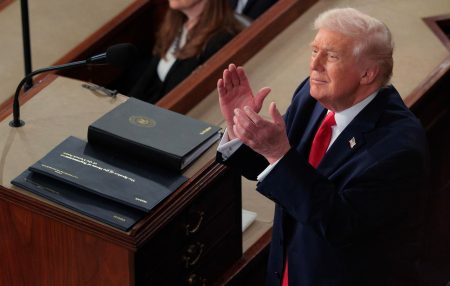
Long prison terms are something that legislators in both state and federal governments are looking at when it comes to the high costs, financially and socially, of incarcerating citizens. The First Step Act (FSA) was signed by President Donald Trump in 2018 to allow prisoners an opportunity to earn time off of their sentence by participating in self-improvement programming. FSA was based off of a similar program developed in crime-tough Texas.
The US Sentencing Commission recently passed amendments that go into effect in November 2023, which will allow some prisoners serving long sentences to be considered for release under compassionate release. The USSC’s list of specified “extraordinary and compelling reasons,” a standard used in compassionate release cases, was expanded by: (a) adding two new subcategories to the “Medical Circumstances of the Defendant” ground for relief; (b) making three modifications to the “Family Circumstances” ground; (c) adding a new ground called “Victim of Abuse”; and (d) adding a new ground called “Unusually Long Sentence,” which permits a judge to consider a non-retroactive change in sentencing law as an extraordinary and compelling reason in specified circumstances.
Second chances are difficult to come by in life but those who are given them realize the special opportunity it presents. As one man told me who was released recently on IRAA, “I’m not the person I was when I entered prison and I thank God everyday that I’m not that person. I just have to prove it to others now.”
Read the full article here