


Reasonable cause is a common defense to civil tax penalties. Generally, taxpayers fall within the contours of reasonable cause if they can show that they exercised ordinary business care and prudence—for example, with respect to a filing obligation or regarding an item claimed on a tax return. Taxpayers who use tax professionals can sometimes also show reasonable cause—i.e., ordinary business care and prudence—to the extent the taxpayer reasonably relied on the substantive tax advice of their tax professional. This professional-reliance defense can negate penalties, even if the advice ultimately proves wrong.
But blind reliance on a tax professional to prepare a tax return is not sufficient to meet the reasonable cause standard. Rather, the United States Tax Court has held that taxpayers raising a professional-reliance defense must meet three requirements: (1) the professional was competent and had sufficient expertise to justify reliance; (2) the taxpayer provided the professional with accurate and necessary information to permit the professional to render tax advice; and (3) the taxpayer relied in good faith on the professional’s advice and judgment. Under these Neonatology factors, a taxpayer’s reasonable cause defense necessarily succeeds or fails based on whether the taxpayer can introduce evidence to satisfy each requirement.
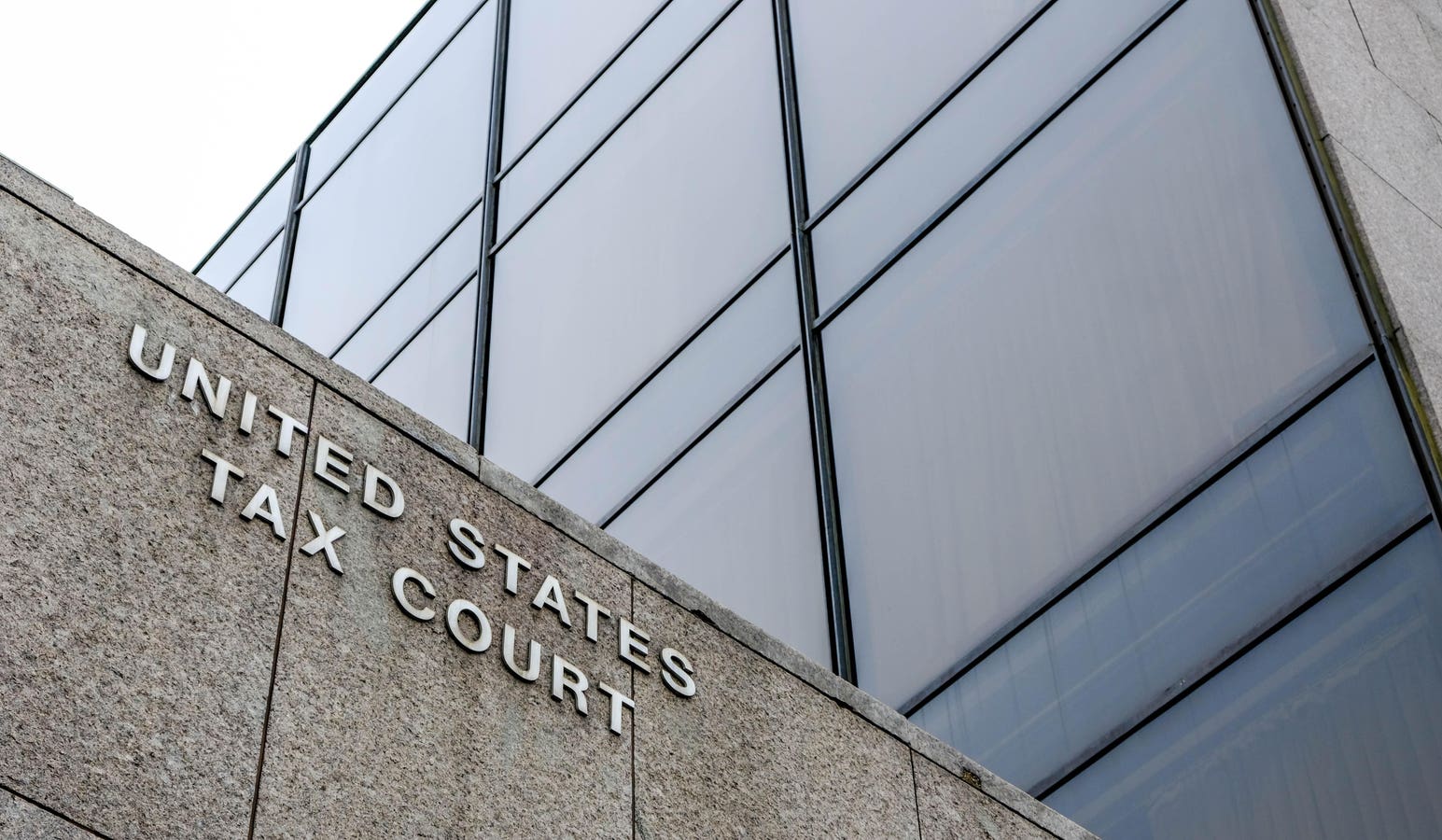
A recent Tax Court opinion demonstrates this point well. In YA Global Investments, LP v. Commissioner, 161 T.C. No. 11 (2023), the Tax Court held that YA Global, a partnership based in the Cayman Islands, was engaged in a U.S. trade or business from 2006 through 2008, requiring the partnership to withhold, remit, and report tax associated with its allocable share of partnership income to foreign partners. Because YA Global had failed to report the section 1446 withholding taxes on Forms 8804, Annual Return of Partnership Withholding Tax (Section 1446), the IRS contended that the partnership was liable for late-filing penalties for all three years.
According to the opinion, YA Global was a financial company that provided funding to portfolio companies in exchange for stock, convertible debt, promissory notes, and warrants. For its 2006 through 2008 tax years, YA Global used a law firm and an accounting firm to help it prepare and file its partnership tax returns. Apparently, things went sideways with YA Global and the accounting firm, resulting in the partnership filing a professional malpractice lawsuit against the accounting firm in May 2015. The malpractice lawsuit was pending at the time of the Tax Court trial, and as explained more below, became significant to YA Global’s professional-reliance defense.
At trial, representatives from both the law firm and the accounting firm testified. Based on this testimony, the Tax Court concluded that YA Global had not relied on advice from the law firm regarding whether it was engaged in a U.S. trade or business because the law firm never issued a tax opinion on this specific issue to the partnership. In fact, the law firm testified that it was prohibited from doing so under its internal firm policies.
The accounting firm’s testimony was much more helpful to YA Global. Specifically, the accounting firm testified that it had advised YA Global that it was not engaged in a U.S. trade or business because the partnership met a “safe harbor” exception under which its trading in stock and securities was not treated as a U.S. trade or business. Recognizing that YA Global received substantive tax advice from the accounting firm, the Tax Court proceeded to the issue of whether the partnership had reasonably relied in good faith on that advice.
Here, the malpractice claim comes into play. According to the Tax Court, the partnership had failed to provide any evidentiary basis at trial regarding when YA Global learned of the accounting firm’s malpractice. And this date could be important—for example, if YA Global had learned of the accounting firm’s malpractice prior to filing its 2006 through 2008 partnership returns, the partnership could not reasonably contend that it relied in good faith on that advice. Because there was no evidence submitted at trial on the date the partnership learned of the malpractice, the Tax Court sustained the late-filing penalties in full for all three years.
The result in YA Global is unfortunate for the taxpayer. However, the opinion provides a cautionary tale on the evidentiary burdens that taxpayers have in Tax Court. Where a taxpayer bears the burden of proof on an issue (which is often), the taxpayer must provide evidence to support its claims. In YA Global, that means even providing evidence to negate any inference that the partnership may have learned of the accounting firm’s malpractice prior to the filing of the partnership returns.
Read the full article here