

Entrepreneur
The disconnect that exists between consumer payment preferences and what small businesses offer is both surprising and consequential. According to recent data from Xero, nearly 90% of U.S. consumers prefer to pay by credit card, yet 30% of small businesses still do not accept card payments.
As competition heightens and customer loyalty becomes increasingly elusive, it’s more crucial than ever for small businesses to make decisions that align with their customer’s wants and needs. Adapting to consumer preferences not only fosters loyalty but also drives future growth. In order to do so effectively, small businesses must embrace the shift towards modern payment solutions to meet consumer expectations head-on.
How to develop a better understanding of shifting consumer preferences
Over the past decade, we’ve witnessed a significant shift in consumer behavior, largely driven by technological advancements and changing lifestyles. This has led to consumers having a diverse set of preferences for payment options; as such, businesses who offer multiple methods – such as debit and credit cards, mobile payments and Buy Now, Pay Later (BNPL) options – reach a wider range of customers and improve loyalty and satisfaction.
When consumers encounter barriers when shopping, such as the unavailability of their preferred payment methods, it’s more likely that they become frustrated and consider switching to a competitor. With so many other alternatives available, it’s even more imperative for businesses to offer a variety of payment options to cater to a wider range of customer needs — especially knowing just how valuable customer retention is in today’s landscape.
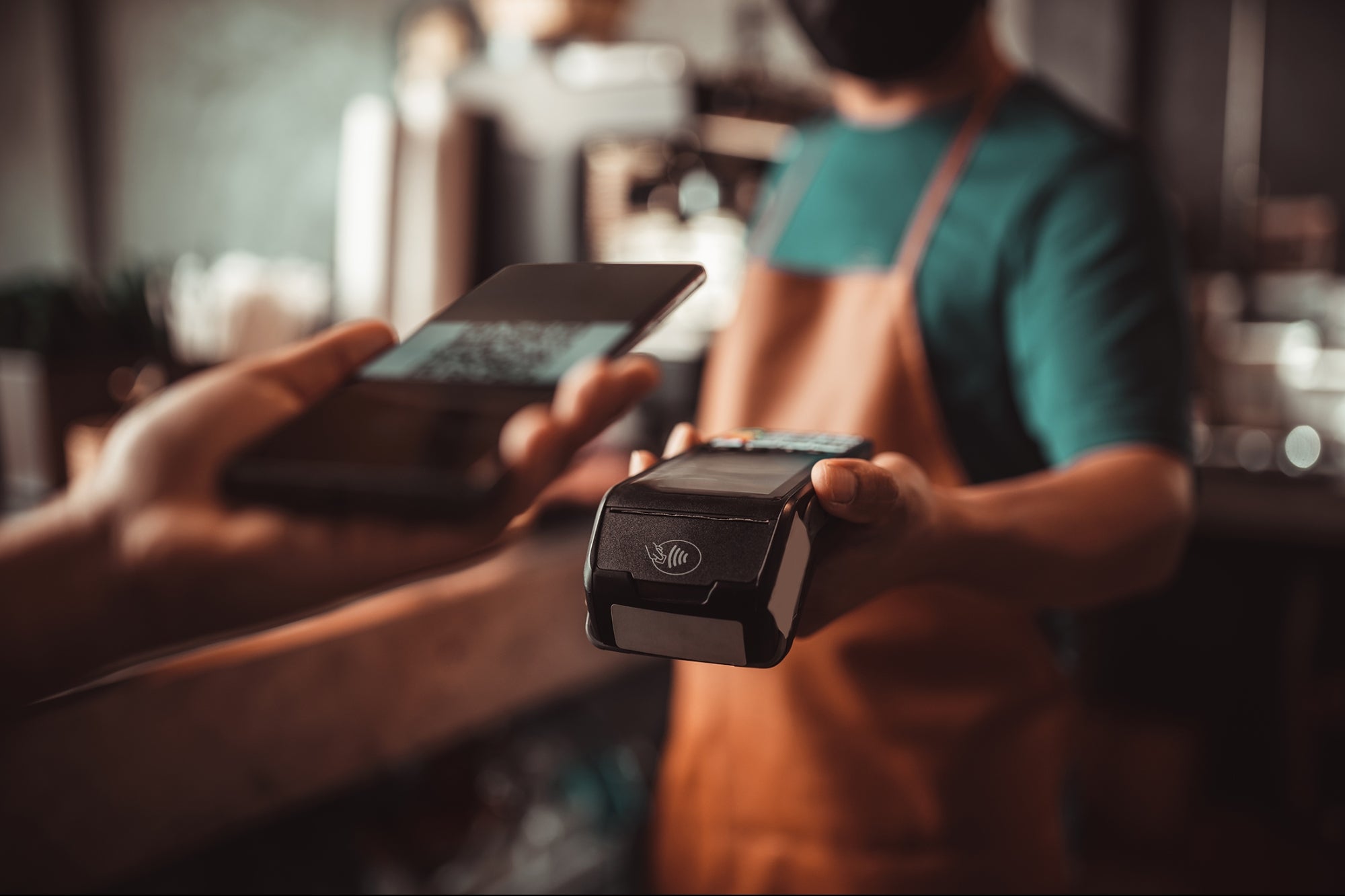
As an example, mobile payments have surged in popularity, particularly with younger generations: approximately 43% of Gen Z customers and 42% of Millennials regularly use digital wallets like Apple Pay or Google Pay, reflecting a preference toward convenience and ease in transactions. This trend underscores the need for businesses to adapt and embrace digital solutions in order to connect and engage with younger generations of consumers.
Research indicates that 21% of consumers would consider shopping at another business that accepts more payment options if their preferred payment method wasn’t available, highlighting a potential – and avoidable – loss for small business owners. As we’ve seen a growing trend towards digital and contactless payments, businesses that fail to adapt risk losing out to competitors who offer a more accommodating checkout experience.
From a business standpoint, digital payment systems also play a pivotal role in accelerating cash flow for small businesses. Recent data from Xero reveals that, on average, small businesses were paid 9.5 days late in the June quarter (2024). By incorporating “pay now” features on invoices and sending timely reminders to customers, digital payment systems can significantly reduce these delays and ensure that businesses receive their payments more promptly.
Incorporating diverse payment options can also create a more inclusive shopping experience, allowing customers with different financial situations to shop at your business. For example, BNPL options can attract younger customers who may not have the funds immediately but want to make a larger purchase. It’s also vital to adapt payment options based on differing customer touchpoints and interaction types. While customers interacting online often prefer digital payment methods, in-store shoppers may have different expectations and preferences. In fact, research shows that 74% of shoppers still use cash to make payments, highlighting the need for businesses to also cater to this subset of customers.
By offering both traditional and digital payment options, businesses can accommodate those who prefer cash and those who seek the speed and convenience of mobile wallets or contactless payments. This approach makes the shopping experience more seamless for every type of customer, whether they are tech-savvy or prefer more old-school methods.
What strategies can small businesses deploy to implement these changes?
As a small business owner, optimizing your payment system may seem like a daunting task, when in reality, it has the potential to be an exciting opportunity to elevate your business. By taking a strategic approach, you can ensure your payment methods align well with both your operational needs and customers’ preferences. Here are some practical steps to get started:
Assess current payment options
The first step is to evaluate what payment methods are currently in place. Ask yourself: What payment options are currently available for customers? Are customers satisfied with these, or are they requesting alternative methods such as contactless payments or BNPL services? Are there any common issues or complaints related to our current payment processes?
When evaluating these aspects, consider whether your existing options meet your business’s unique demands – such as payment speed, ease of integration and overall enhancements to the customer experience. By thoroughly assessing these areas, you’ll be able to reveal any gaps in service or opportunities for expansion. If you’re hesitant about adopting new payment technologies, keep in mind that these solutions have been designed with small businesses in mind and are built to seamlessly integrate with your existing systems.
Research and select suitable payment methods
Once you’ve assessed your current options, the next step is to explore different payment technologies that would fit your business operations. While traditional methods like debit and credit cards are widely accepted, it’s time to think beyond just the conventional offerings. Consider newer options such as mobile payments (e.g., Google Pay and Apple Pay) and BNPL services (e.g., Klarna and Afterpay), which have gained popularity in recent years due to their convenience and flexibility.
When conducting research into areas for expansion, consider which would best align with your business goals. Do you prioritize quick payments or minimal transaction fees? Take the time to explore your company’s data and analyze your target market’s preferences — understanding the spending habits of your customers can provide key insights. Keeping your customers’ needs at the forefront of your decision-making process, while also considering what’s feasible and best for your operations, will ensure a smoother transition and better outcomes.
Balancing costs and benefits of modern payment technologies
While adopting new payment technologies has many benefits, such as boosting customer satisfaction and enhancing cash flow, it’s equally important to consider the associated costs. Transaction fees, surcharges and implementation expenses should factor into your decision-making process, but don’t let these costs deter you off the bat; instead, weigh them against the clear benefits.
Instead of viewing upgrades as mere costs, consider how each new transaction through an upgraded payment option can actually drive your revenue. Each new transaction shouldn’t just be viewed as a sale, as it’s opening the door for increased growth and customer loyalty. If you miss out on transactions because your payment methods don’t meet your customer’s needs, it can impact your bottom line over time. Look at investing in new payment technologies not just as an expense but as an opportunity to capture more sales and grow your business.
An interesting example of a retailer is Walmart, which, despite not accepting Apple Pay, strategically promotes its own payment solution, Walmart Pay, to maintain control over data and enhance customer engagement. However, it would be interesting to see whether this strategy is worth the potential loss of customers who might not be willing to take the extra step to download and use Walmart Pay.
Investing in modern payment technology does more than just streamline transactions, it can enhance security, expedite payments and improve the overall customer experience. By streamlining payment processes, you free up valuable time and resources, allowing you to focus on other strategic areas of your business. A secure payment system not only can protect your business from fraud but can also build more trust with your customers.
Adapting to shifting consumer preferences is vital for small businesses looking to enhance customer experience through improved payment options. Customers don’t just want — they expect — seamless, flexible and secure payment options, and meeting these expectations is a key way to build trust and loyalty and set your business apart from competitors.
Read the full article here