


This morning, the Bureau of Labor Statistics (BLS) released the July inflation numbers, which were higher, as economists expected. Normally, a higher inflation rate would spark somewhat boring debates about Fed policy and consumer sentiment. This time, new danger lurks: manipulating numbers.
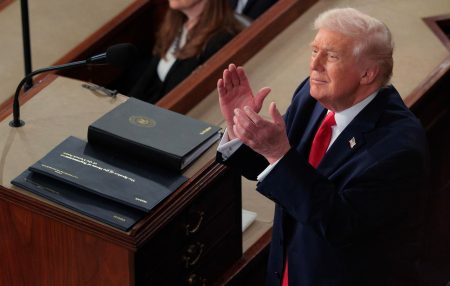
The new risk is that the numbers themselves – how they are calculated, reported, and trusted – are a political weapon. Trump fired the neutral Bureau of Labor Statistics last week because he didn’t like the jobs numbers and yesterday appointed a loyal data soldier. Trump’s new Commissioner is a political and partisan economist – E.J. Antoni from The Heritage Foundation – the think tank that wrote Project 2025. Antoni is expected to report what Trump wants. Here is what President Trump said when he nominated Antoni:
“Our Economy is booming, and E.J. will ensure that the numbers released are HONEST and ACCURATE,”
The CPI Needs To Be Trusted Not Manipulated
The Consumer Price Index (CPI) isn’t just an economic report; it’s the foundation for vast swaths of American economic life. It determines the Social Security cost-of-living adjustment for about 66 million Americans – 57.4 million seniors, 11.2 million disabled adults, and 4.2 million children. It sets the value of Treasury Inflation-Protected Securities (TIPS) and Series I savings bonds. It governs annual increases for federal and military pensions, veterans’ benefits, and Supplemental Security Income.
But it doesn’t stop there. CPI feeds into the calculation of federal tax brackets and penalties, state minimum wages, HUD housing subsidies, rent caps in states like California and Oregon, and collective-bargaining agreements across the private sector. It influences the postal rate you pay, the child support some parents receive, and the rent escalator clauses in commercial and residential leases.
The sheer breadth is dizzying: if trust in CPI numbers erodes, so does trust in trillions of dollars in contracts, benefits, and prices.
The Precedent for Politicizing And Manipulating Numbers
Trust in the integrity of American numbers was severely eroded last week. Former BLS commissioners, one Republican and one Democrat, warned that firing the economist overseeing the statistical agency jeopardizes the integrity of America’s statistical agencies. If political leaders can dismiss the heads of data-producing agencies for releasing unfavorable figures, it creates intense pressure to manipulate the numbers in the future.
Former BLS chief, Erica Groshen said if the numbers are rigged, why release the numbers at all.
“Statistical agencies live and die by trust. If the numbers aren’t trustworthy, people won’t use them to make important decisions, and then you might as well not publish them.”
Since inflation ticked up this morning the CPI could become the next target, the ripple effects could be catastrophic. Investors might begin questioning the reliability of official data. Markets could discount U.S. statistics altogether, pushing up borrowing costs for government and business alike. Ordinary Americans could lose faith that the benefits they depend on are being calculated honestly.
Why Manipulating Numbers Is So Dangerous
Inflation reports already move markets. A hotter-than-expected number can shave billions off equity valuations in seconds. But add political attacks on the integrity of those numbers, and you have a crisis of confidence. It’s one thing to debate economic policy in response to data. It’s another to undermine belief in the data itself.
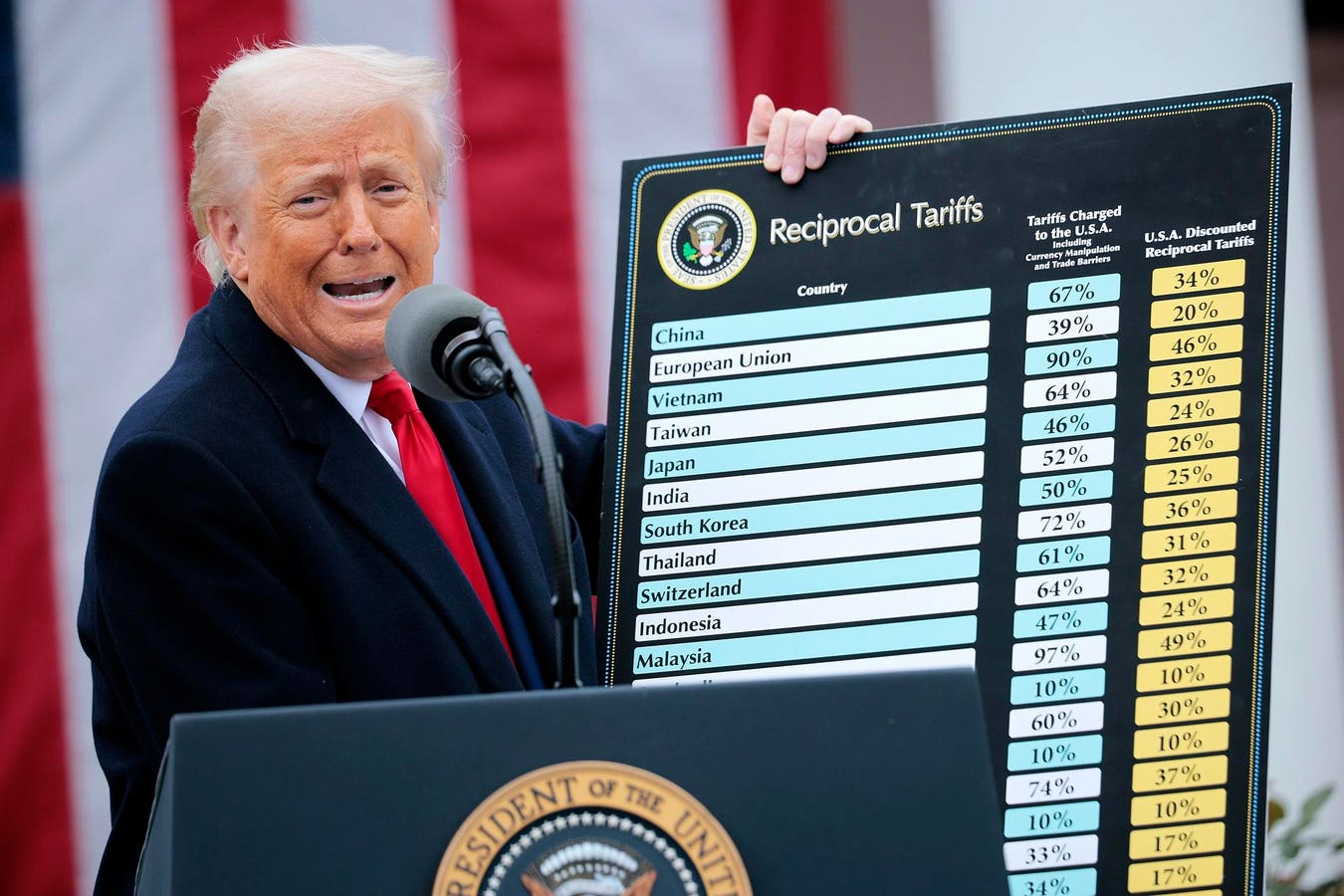
Tariff-driven inflation is hard enough to manage – it makes goods more expensive while weakening growth, creating a stagflationary impulse. Trump’s tariffs are largely to blame. Tariffs also don’t affect everyone equally, contributing to higher inflation as retailers pass the added costs on to consumers. Tariffs act like a regressive sales tax – disproportionately hitting lower- and middle-income households – and they function as a supply shock, raising prices while slowing growth. That’s the worst combination for any economy.
But combine that with political instability over the accuracy of the numbers, and you inject uncertainty into every corner of the economy.
For example, if CPI is seen as inflated for political gain, Social Security beneficiaries may feel their COLA is being manipulated. If it’s seen as deflated, bondholders may believe their TIPS payments are being shortchanged. Either way, the perception of manipulation is enough to damage confidence and destabilize markets.
CPI’s Extraordinary Reach
The CPI’s reach is extraordinary, as is the reliance on trusting its accuracy. Policymakers could make serious mistakes if the CPI were manipulated. Consider just a few examples of who is hurt when inflation is undercounted:
- If the inflation data is manipulated, it could distort Social Security and SSI payments for over 70 million Americans. These benefits are designed to keep pace with inflation, and July marks the first month of the third quarter – the period used to calculate the annual cost-of-living adjustment, which will next take effect on January 1, 2026.
- 41.7 million people receive food assistance indexed to CPI; undercount food price increases and food supplies are short-changed.
- Federal employee pensions are adjusted based on CPI.
- The buying power of veterans’ benefits could be reduced. VA disability payments for over 5 million veterans are adjusted annually for the cost of living.
- Policymakers are undermined when inflation is undercounted. The entire federal budget relies on annual adjustments to IRS tax brackets, deductions, and penalties based on the CPI. If those adjustments fall short, tax revenue decreases – worsening the deficit and national debt.
- Financial products, like Treasury Inflation-Protected Securities (TIPS), Series I savings bonds will not be trusted and therefore harder to sell. This is bad news for the U.S. government which just authorized to borrow trillions of dollars because of the One Big Beautiful Bill’s tax cuts.
- Even the prices of postage stamps are capped by a CPI-U formula.
- If inflation is undercounted, poverty will be undercounted too – because many people in need won’t receive the support Congress intended when it indexed key assistance programs to the cost of living.
- Some states index their minimum wage annually to the CPI. If inflation is undercounted, lower-income workers lose buying power.
The business community may push back if Trump appoints a political partisan to lead the agency – especially one who appears willing to follow the president’s directives. Accurate data is essential, as many private contracts depend on it.
Manipulating Statistics Is An Attack On Economic Security
Economic data is a public good, built over decades to be insulated from partisan pressure. The BLS has earned its credibility through transparency, methodological rigor, and political independence. Politicizing the BLS erodes that trust overnight.
If the public begins to suspect that inflation numbers are “massaged” for political advantage, the damage won’t be easy to reverse. Investors might turn to private-sector inflation measures, fragmenting the statistical baseline the economy relies on. State governments might adopt their own indexes, creating a patchwork of measures. Contracts tied to CPI might need renegotiation.
And in the meantime, every retiree, every veteran, every family receiving food assistance, and every investor in inflation-protected securities will be living with uncertainty.
America’s statistical agencies are designed to outlast administrations precisely because data needs to be credible across political cycles. If we don’t know what the inflation rate or unemployment rates really are do we know if the Federal Reserve should hold interest rates steady or cut them? Should tariffs be reduced to ease supply-side pressures? Should targeted relief be offered to low-income households most affected by price spikes?
Those are hard debates, and they should be. But they must take place against a shared understanding of the facts.
Trust Was America’s Most Valuable Asset
The United States once enjoyed a global privilege: its economic statistics were widely regarded as accurate and unbiased. That reputation had supported the dollar’s reserve currency status – which is now under attack by President Trump’s erratic economic decisions. Having a reserve currency is a special privilege. The status lowers borrowing costs for everyone from the federal government to mortgage holders. Trust in data is, in a real sense, a form of national wealth, and politicizing the numbers just made our nation poorer.
And rebuilding trust – as anyone knows who has lied or cheated – is far harder than protecting it. A politicized BLS is a self-inflicted wound.
Read the full article here