


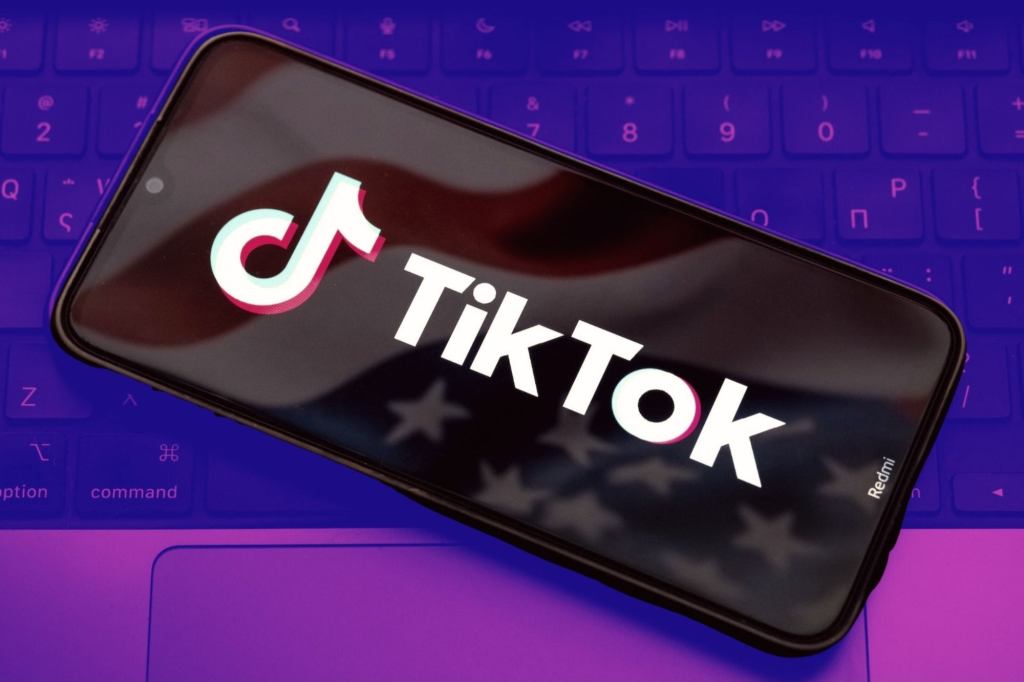
After six years of uncertainty, TikTok finally has a deal. TikTok announced Thursday that ByteDance struck a deal with non-Chinese investors to create a new U.S. TikTok. Oracle, Emirati investment firm MGX, Silver Lake, and Michael Dell’s investment entity will own more than 80% of the venture valued at $14 billion, according to The New York Times. ByteDance will retain just under 20% and keep TikTok’s algorithm, which it will license to the new entity.
The deal addresses national security concerns that Beijing could use the app to surveil or manipulate its 200 million U.S. users. Adam Presser, TikTok’s former head of operations, will lead the U.S. company. President Trump, who formally delayed enforcement of a ban law multiple times, celebrated the announcement: “I am so happy to have helped in saving TikTok!”
Critics question whether the arrangement truly resolves security concerns since ByteDance retains the algorithm. “They may have saved TikTok, but the national security concerns are still going to continue,” said Michael Sobolik of the Hudson Institute.
Read more
After six years of uncertainty, TikTok finally has a deal. TikTok announced Thursday that ByteDance struck a deal with non-Chinese investors to create a new U.S. TikTok. Oracle, Emirati investment firm MGX, Silver Lake, and Michael Dell’s investment entity will own more than 80% of the venture valued at $14 billion, according to The New York Times. ByteDance will retain just under 20% and keep TikTok’s algorithm, which it will license to the new entity.
The deal addresses national security concerns that Beijing could use the app to surveil or manipulate its 200 million U.S. users. Adam Presser, TikTok’s former head of operations, will lead the U.S. company. President Trump, who formally delayed enforcement of a ban law multiple times, celebrated the announcement: “I am so happy to have helped in saving TikTok!”
Critics question whether the arrangement truly resolves security concerns since ByteDance retains the algorithm. “They may have saved TikTok, but the national security concerns are still going to continue,” said Michael Sobolik of the Hudson Institute.
Read more
Read the full article here